




Services
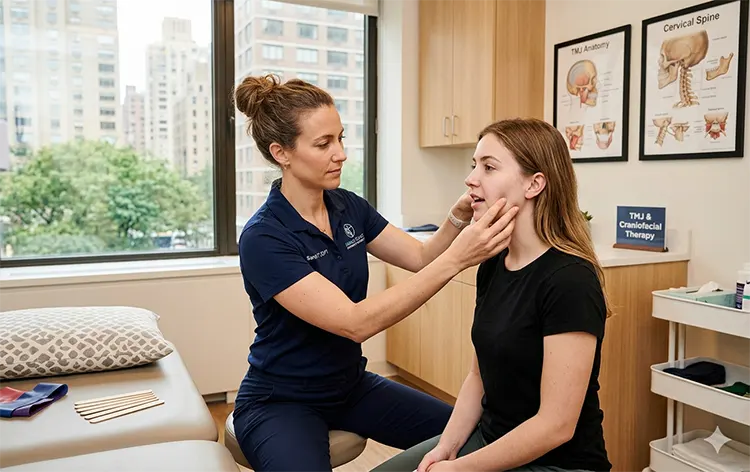
TMJ Physical Therapy Treatment
Temporomandibular joint (TMJ) disorders can make everyday activities eating, speaking, even smiling painful and frustrating. If you're living with jaw pain, clicking, headaches, or limited mouth movement, physical therapy offers a proven, non-invasive path to lasting relief.
What Is TMJ Disorder?
The temporomandibular joint connects your jaw to your skull and is one of the most complex joints in the body. When it's not functioning properly, the effects can extend far beyond your jaw - causing chronic headaches, neck pain, ear discomfort, facial tension, and disrupted sleep.
TMJ disorders are more common than most people realize, and they're frequently misdiagnosed or left untreated for years. The good news is that physical therapy is one of the most effective treatments available - without surgery, injections, or long-term medication.
How Physical Therapy Treats TMJ
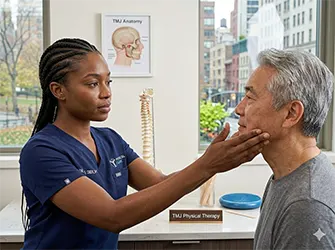
Our approach to TMJ treatment is hands-on, individualized, and focused on addressing the root cause — not just the symptoms. Depending on your condition, your treatment plan may include:
 Manual Therapy Skilled hands-on techniques to release muscle tension, improve joint mobility, and restore proper alignment of the jaw and surrounding structures.
- Therapeutic Exercises Targeted exercises to strengthen the muscles that support the jaw, improve range of motion, and retrain movement patterns that may be contributing to your pain.
- Postural Correction Poor posture, especially forward head position, places significant strain on the jaw and neck. We address the full picture, helping you move and hold yourself in ways that reduce stress on the TMJ.
- Patient Education Understanding your condition is a critical part of recovery. We teach you how daily habits including diet, sleep position, stress responses, and jaw clenching affect your symptoms, and how to modify them.
- Dry Needling & Soft Tissue Techniques Where appropriate, we use advanced techniques to release trigger points and tight muscles in the jaw, face, and neck that contribute to TMJ pain.
Common Symptoms We Treat
Physical therapy can help if you're experiencing any of the following:
Jaw pain or soreness, clicking or popping sounds when opening and closing your mouth, limited ability to open your mouth fully, headaches or migraines, ear pain or ringing, neck and shoulder tension, facial pain or tightness, teeth grinding or clenching (bruxism), and pain while chewing or speaking.
What to Expect
Your first visit begins with a thorough evaluation of your jaw, neck, posture, and movement patterns. From there, we develop a personalized treatment plan with clear goals and a realistic timeline for improvement.
Most patients notice meaningful relief within a few sessions. Full recovery timelines vary depending on the severity and duration of your condition, but our focus is always on getting you better as efficiently as possible and giving you the tools to stay that way.
Why Choose Us for TMJ Treatment
TMJ is a specialized area that requires more than a general understanding of physical therapy. Our clinicians have dedicated training and hands-on experience treating jaw disorders, and we take the time to properly evaluate and treat the full scope of your condition.
We also work collaboratively with your dentist, oral surgeon, or physician when needed because the best outcomes for TMJ often come from a coordinated care team.
Take the First Step Toward a Pain-Free Life
You don't have to live with jaw pain. Physical therapy has helped thousands of people just like you find lasting relief from TMJ disorders without the risks of surgery or the side effects of long-term medication.
Schedule your evaluation today and let's build a plan that gets you back to eating, talking, and living comfortably again.
Frequently Asked Question (FAQ)
TMJ disorder refers to a range of conditions affecting the temporomandibular joint and the muscles that control jaw movement. Common signs include jaw pain, clicking or popping when you open your mouth, difficulty chewing, frequent headaches, ear pain, and neck tension. A proper diagnosis from a physical therapist or physician can confirm whether TMJ is the source of your symptoms.
Yes. Physical therapy is widely recognized as one of the most effective conservative treatments for TMJ disorders. It addresses the underlying muscle imbalances, joint dysfunction, and postural issues that cause symptoms rather than simply masking pain.
In many cases, no. Depending on your state and insurance plan, you may be able to schedule directly with us without a physician’s referral. Contact our office and we'll help to clarify what's needed based on your specific situation.
Dentists typically address TMJ from a dental perspective night guards, bite adjustments, and occlusal treatments. Physical therapists focus on the musculoskeletal side: joint mobility, muscle function, posture, and movement patterns. Both approaches have value, and they work especially well together. We're happy to coordinate with your dental provider as part of your care.
This varies depending on the severity and duration of your symptoms. Many patients experience noticeable improvement within 4 to 6 sessions. More chronic or complex cases may require a longer course of treatment. After your initial evaluation, we'll give you a realistic estimate based on your specific condition.
Some techniques may cause mild temporary discomfort, particularly when working on tight muscles or restricted joints. However, our goal is always to work within your comfort level and progress at a pace that feels manageable. Most patients feel better — not worse — after each session.
Yes. Even long-standing TMJ disorders often respond well to physical therapy. Chronic cases may take longer to resolve, but significant improvement is achievable in most situations. The key is addressing the contributing factors comprehensively rather than treating symptoms in isolation.
We'll guide you personally based on your condition, but common recommendations include avoiding hard or chewy foods, minimizing wide jaw movements like yawning excessively, reducing jaw clenching and teeth grinding, and being mindful of posture during prolonged sitting or screen time.
Absolutely. Stress is one of the most significant contributors to TMJ symptoms because it often leads to jaw clenching, teeth grinding, and increased muscle tension. We address stress-related habits as part of your overall treatment plan and can provide strategies to help manage their impact on your jaw.
Yes, and in fact treating them together often produces better results. The jaw, neck, and head are closely connected, and dysfunction in one area frequently affects the others. Our evaluations and treatment plans account for the full picture, not just the jaw in isolation.