





Services
Manual Therapy
What Is Manual Therapy?
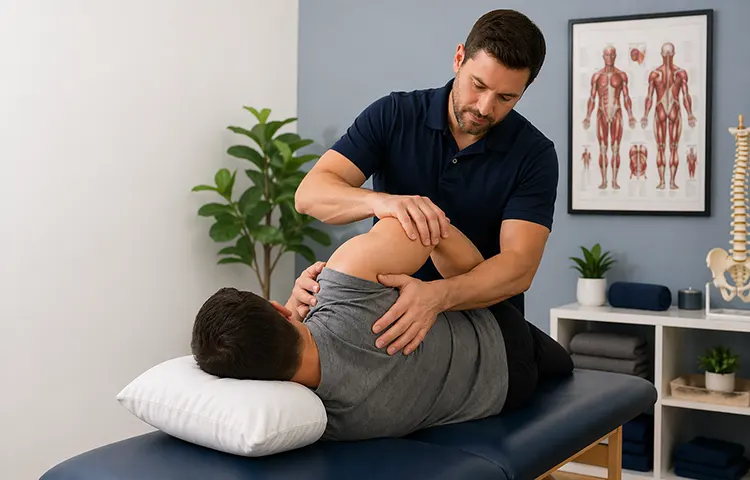
Manual therapy is a specialized area of clinical practice in which licensed therapists use skilled hands-on techniques to assess and treat soft tissues and joint structures. It is a well-established, evidence-supported intervention for reducing pain, restoring mobility, and improving neuromuscular function.
Unlike passive modalities, manual therapy is an active clinical process — precisely applied and continuously adapted based on patient response and functional outcomes.
Techniques We Use
A Comprehensive Range of Clinical Manual Therapy Techniques
Our therapists are trained in a broad spectrum of manual therapy approaches, selected and combined based on each patient's diagnosis, presentation, and treatment goals:
 Joint Mobilization & Manipulation — graded techniques to restore joint range of motion and reduce mechanical pain
- Soft Tissue Mobilization — targeted treatment of muscle, fascia, and connective tissue to address restriction and dysfunction
- Myofascial Release — sustained pressure techniques to release fascial tension and improve tissue mobility
- Trigger Point Therapy — identification and treatment of myofascial trigger points contributing to local and referred pain
- Neural Mobilization — techniques addressing neural tissue mobility and sensitivity
- Lymphatic Drainage — gentle manual techniques to support lymphatic circulation, particularly following surgery or injury
- Strain-Counterstain — positional release techniques for reducing pain and muscle guarding
Conditions We Treat
Manual Therapy for a Wide Range of Musculoskeletal Conditions
Manual therapy is clinically indicated for adults and seniors presenting with:
- Cervical and lumbar spine pain and dysfunction
- Osteoarthritis of the hip, knee, and shoulder
- Post-surgical stiffness and scar tissue management
- Shoulder impingement and rotator cuff pathology
- Peripheral joint dysfunction — wrist, elbow, ankle, and foot
- Headaches of cervicogenic origin
- Temporomandibular joint (TMJ) dysfunction
- Peripheral neuropathy and nerve entrapment syndromes
- Postural dysfunction and thoracic spine stiffness
Our Clinical Approach
Assessment-Driven. Individualized. Outcome-Focused.
Every manual therapy program begins with a thorough clinical assessment, including detailed history, postural analysis, movement screening, and hands-on evaluation of joint and tissue integrity. Treatment is never generic — it is precisely tailored to the patient's presentation and functional objectives.
Progress is systematically measured using standardized outcome tools, and treatment plans are adjusted accordingly. Our therapists work closely with referring physicians, orthopedic specialists, and other rehabilitation professionals to ensure continuity of care throughout the patient's recovery.
Why Choose Our Manual Therapy Service
- Therapists with advanced training and certification in manual therapy techniques
- Individualized treatment plans based on clinical assessment findings
- Integration with exercise therapy, patient education, and rehabilitation programs
- Collaborative care with your medical and specialist team
- Medicare and major private insurance plans accepted
Frequently Asked Question (FAQ)
Manual therapy is a clinically directed, evidence-based treatment performed by licensed physical or occupational therapists with advanced training in musculoskeletal assessment and intervention. Unlike general massage, manual therapy targets specific joint and tissue dysfunctions identified through clinical evaluation. Techniques are selected based on diagnosis, applied with precise parameters, and integrated into a broader rehabilitation plan aimed at measurable functional outcomes.
Some techniques may produce temporary discomfort, particularly when addressing areas of significant restriction or tissue sensitivity. Your therapist will communicate clearly throughout each session and adjust pressure and intensity based on your response. Mild soreness following treatment is normal and typically resolves within 24 to 48 hours. Any persistent or worsening symptoms should be reported to your therapist promptly.
Treatment duration depends on the nature and severity of your condition, your response to intervention, and your functional goals. Some patients experience significant improvement within three to six sessions; others with chronic or complex presentations may require a longer course of care. Your therapist will provide a projected treatment timeline following your initial assessment and will reassess your progress regularly.
A physician referral is not always required, though some insurance plans — including certain Medicare plans — may mandate one for coverage purposes. We recommend contacting our clinic prior to your first appointment so our administrative team can confirm your insurance requirements and facilitate a smooth intake process.
Yes. Manual therapy is routinely and safely applied with older adult populations. Our therapists conduct thorough pre-treatment screening to identify any contraindications — such as osteoporosis, recent fracture, or cardiovascular conditions — and select techniques that are appropriate for each patient's age, health status, and tissue tolerance. Gentler mobilization and soft tissue approaches are commonly used with senior patients when indicated.
Certain conditions may contraindicate specific manual therapy techniques, including acute fractures, active infection or inflammation, malignancy in the treatment area, severe osteoporosis, blood clotting disorders, and recent surgical sites. A comprehensive clinical assessment will be conducted prior to treatment to identify any contraindications and ensure that all interventions are safe and appropriate for your individual situation.
Manual therapy is most effective when integrated into a comprehensive rehabilitation program. It is typically combined with therapeutic exercise, patient education, postural correction, and — where appropriate — other clinical modalities. Your therapist will develop a treatment plan that coordinates all relevant components to support your recovery and long-term functional goals.
Manual therapy performed by a licensed physical or occupational therapist is generally covered by Medicare Part B and most private insurance plans when it is deemed medically necessary and delivered as part of a broader plan of care. Coverage specifics, including deductibles, copayments, and visit limits, vary by plan. Our team will assist you in verifying your benefits before treatment begins.