




Services
Spine Rehabilitation
Evidence-Based Care for Neck and Back Conditions
Spinal pain and dysfunction are among the most common — and most complex — musculoskeletal conditions affecting adults. Whether your symptoms are the result of a sudden injury, a degenerative condition, post-surgical recovery, or years of cumulative stress on the spine, targeted physical therapy is one of the most effective and well-supported interventions available.
Our spine rehabilitation program is designed to address the full spectrum of cervical, thoracic, and lumbar conditions through individualized, evidence-based treatment. Our goal is to reduce pain, restore function, and equip you with the knowledge and tools to maintain a healthy spine over the long term.
Conditions We Treat
Our spine rehabilitation program addresses a wide range of diagnoses affecting the cervical (neck), thoracic (mid-back), and lumbar (lower back) regions of the spine, including:
 Acute and chronic low back pain
- Neck pain and cervical dysfunction
- Herniated or bulging discs
- Degenerative disc disease
- Spinal stenosis
- Spondylolisthesis
- Sciatica and radiculopathy
- Facet joint syndrome
- Sacroiliac joint dysfunction
- Muscle strains and ligament sprains of the spine
- Post-surgical spine rehabilitation (including discectomy, laminectomy, spinal fusion, and cervical surgery)
- Compression fractures
- Postural dysfunction and thoracic kyphosis
If you have received a diagnosis not listed above, contact our office. Our therapists evaluate each patient individually and treat a broad range of spinal conditions.
Goals of Spine Rehabilitation
Effective spine rehabilitation is not limited to pain relief. A comprehensive program addresses the underlying mechanical, neuromuscular, and functional factors that contribute to spinal dysfunction to produce durable, lasting results.
The primary goals of our spine rehabilitation program include:
Pain Reduction
Decreasing pain intensity and frequency through targeted manual therapy, therapeutic exercise, and neuromuscular re-education, with the aim of reducing or eliminating dependence on pain medication.
Restoration of Mobility and Flexibility
Improving range of motion in the spine and surrounding structures, addressing restrictions in joint mobility, muscle flexibility, and connective tissue extensibility that contribute to pain and functional limitation.
Neuromuscular Stabilization
Restoring the coordinated activation of the deep stabilizing muscles of the spine including the multifidus, transverse abdominis, and pelvic floor musculature which plays a critical role in spinal support and injury prevention.
Functional Restoration
Rebuilding the capacity to perform daily activities — sitting, standing, walking, bending, lifting, and carrying — without pain or compensatory movement patterns that place additional stress on the spine.
Patient Education and Self-Management
Providing you with a thorough understanding of your condition, contributing factors, and strategies for managing symptoms independently. This includes ergonomic guidance, postural correction, activity modification, and a structured home exercise program.
Prevention of Recurrence
Addressing the mechanical and lifestyle factors that contributed to your condition to reduce the likelihood of future episodes and support long-term spinal health.
Our Treatment Approach
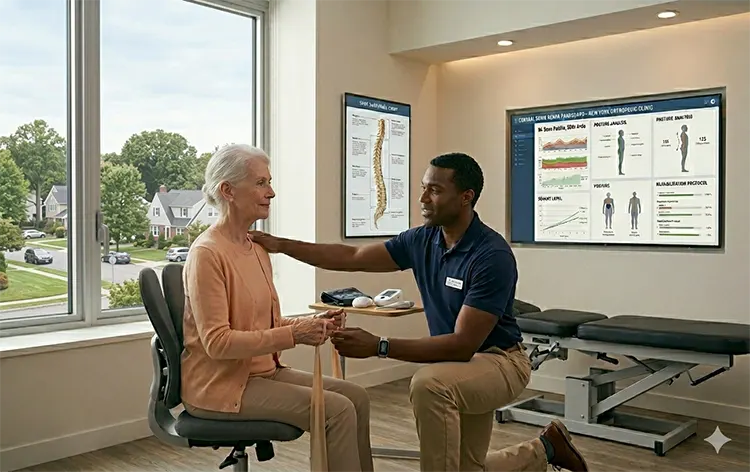
Spine rehabilitation at our practice is individualized from the outset. Every patient undergoes a comprehensive evaluation that includes a detailed history, postural and movement assessment, neurological screening, and hands-on examination of spinal mobility and soft tissue integrity. From this evaluation, your therapist develops a treatment plan tailored specifically to your diagnosis, functional limitations, and goals.
Treatment may incorporate any combination of the following evidence-based interventions:
Manual Therapy
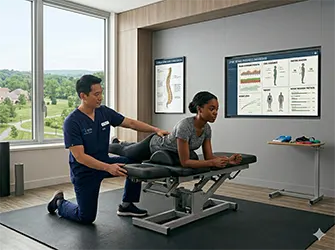
Hands-on techniques including joint mobilization, spinal manipulation, soft tissue mobilization, and myofascial release are used to restore joint mobility, reduce pain, and improve neuromuscular function. Manual therapy is applied selectively based on clinical findings and patient tolerance.
Therapeutic Exercise
A structured, progressive exercise program forms the foundation of spine rehabilitation. Exercise selection is based on your specific diagnosis and movement assessment and may include core stabilization training, directional preference exercises, flexibility and mobility work, and functional strength training.
McKenzie Method (MDT)
For patients with disc-related conditions, radiculopathy, or directional movement preferences, the Mechanical Diagnosis and Therapy (MDT) approach commonly known as the McKenzie Method provides a systematic framework for classifying spinal conditions and identifying the specific movements and positions that reduce symptoms and promote recovery.
Neuromuscular Re-Education
Chronic spinal pain and injury often disrupt the normal timing and coordination of stabilizing muscles. Neuromuscular re-education techniques restore proper muscle activation patterns, improving spinal control and reducing the risk of re-injury.
Postural and Ergonomic Training
Many spinal conditions are directly influenced by habitual postures and movement patterns in the workplace, home, or during recreational activities. Your therapist will assess these factors and provide practical guidance on optimizing your environment and movement habits to reduce spinal load.
Modalities
When clinically appropriate, adjunctive modalities such as therapeutic ultrasound, electrical stimulation, traction, heat, and ice may be incorporated to manage pain and inflammation and support the rehabilitation process.
Home Exercise Program
A progressive, individualized home exercise program is a core component of every patient's care plan. Between sessions, your home program reinforces clinical gains, promotes healing, and builds the independent self-management skills necessary for long-term success.

Frequently Asked Question (FAQ)
Physical therapy is appropriate for most cervical and lumbar conditions, including acute injuries, chronic pain, degenerative conditions, and post-surgical recovery. If you have been diagnosed with a spinal condition or are experiencing persistent neck or back pain, a physical therapy evaluation is a clinically appropriate first step. Your therapist will assess your condition, identify any contraindications, and coordinate with your physician if further diagnostic workup or specialist referral is warranted.
Not necessarily. Many spinal conditions can be effectively evaluated and treated based on clinical examination alone. Imaging findings such as disc herniations or degenerative changes are common in adults without symptoms and do not always correlate directly with pain or functional limitation. Your therapist will conduct a thorough clinical evaluation and will review any existing imaging if available. If imaging is indicated, your therapist will communicate this recommendation to your referring physician.
The duration of treatment depends on the nature and severity of your condition, how long symptoms have been present, your overall health, and your adherence to your home exercise program. Acute conditions may be resolved within four to eight weeks of treatment. Chronic or complex conditions, or those involving post-surgical recovery, may require a longer course of care. Your therapist will establish realistic timeline expectations during your initial evaluation and reassess your progress at regular intervals.
Some degree of temporary discomfort during treatment is not uncommon, particularly when addressing restricted joint mobility or tight soft tissue. However, effective spine rehabilitation should not be consistently painful. Your therapist will monitor your response to each intervention and adjust the program accordingly. Open communication about your comfort level throughout the process is encouraged and important to your care.
For many patients, a structured course of physical therapy can significantly reduce or eliminate symptoms and restore function without surgical intervention. Research supports conservative management including physical therapy as a first-line treatment for most spinal conditions. If your condition does require surgical intervention, physical therapy both before and after surgery will optimize your outcome. Your therapist will communicate with your spine surgeon throughout your care to ensure a coordinated approach.
The McKenzie Method, or Mechanical Diagnosis and Therapy (MDT), is a systematic classification and treatment approach for spinal conditions based on how symptoms respond to specific movements and positions. It is particularly effective for patients with disc-related pain, radiculopathy, or symptoms that change predictably with certain movements. Unlike a generic exercise protocol, MDT identifies the specific directional movements that reduce your symptoms and uses this information to guide your treatment and home program. Not all patients require McKenzie to approach your therapist to determine whether it is appropriate based on your clinical presentation.
Yes. A home exercise program is a fundamental component of spine rehabilitation and is assigned to every patient. Your home program is individualized to your diagnosis and current level of function and will be progressed over time as your condition improves. Consistent adherence to your home program is one of the strongest predictors of a successful outcome.
Certain symptoms require urgent medical evaluation before initiating physical therapy. These include loss of bowel or bladder control, saddle area numbness, progressive neurological weakness in the legs or arms, severe unrelenting pain unaffected by position or movement, or symptoms following significant trauma. If you are experiencing any of these symptoms, seek emergency medical care promptly.